

Melissa Bagley
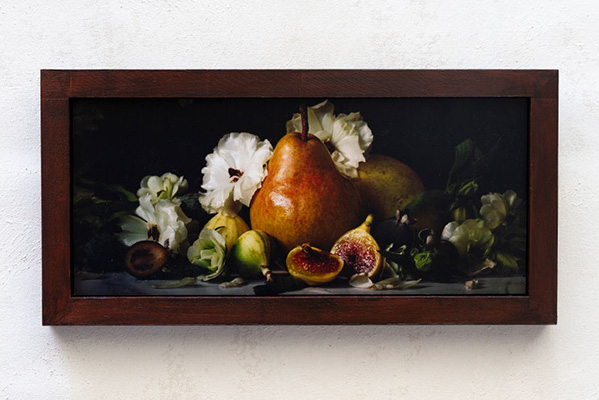
Watching the rise of Artificial Intelligence (AI) has left me a bit dumbfounded.
I don’t often quote Jurassic Park, but there is a line in the original movie that sums up my feelings perfectly about AI “art”. After touring the park, Jeff Goldblum’s character says, “Your scientists were so preoccupied with whether or not they could, they didn’t stop to think if they should.”
I can’t think of a better way to describe what I’ve seen with AI, especially in regard to the art world.
My anger over AI’s wholesale theft of artists’s work is a topic for another day. Today let’s just look at what AI’s image generation is creating and what in the world this has to do with my new miniatures line.
Visual image generation by AI is all about unattainable perfection. It’s plastic-like and completely soulless.
In my opinion, art should never feel this way. Art should feel full of life and energy, causing an emotional response in the viewer.
In the last year I’ve grown to appreciate the beauty found in imperfection. Maybe this is thanks to the rise of AI image generation and my dislike of it, or maybe it’s due to having a more mature outlook. I’m not sure. But now, I can see the beauty in all those perceived imperfections that used to eat at me.
I want my artwork to tell stories and feel full of life. I want to create art pieces that look like they have lived a bit and are all the more beautiful for it. “Perfectly imperfect”, as the saying goes.
My first exploration of this idea was combining my abstract canvas paintings with my photographs. I started layering photos of my paintings over the top of my photographs in Photoshop (no, I’m not against all tech or even all AI).
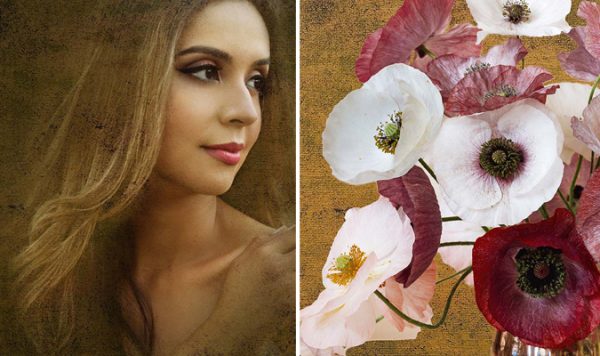
Examples of combining my abstract canvas paintings with my photographs
I love, love the feel and depth this technique gives to images, both portraits and still life images.
But, it got me thinking – How do I present my images in a unique way? I’ve hunted high and low for quality antique frames but as of yet have not been able to find a consistent way to source them.
And then, I remembered cradled wood panels – flat wood on one side and then, on the reverse, a wood frame.
I flipped a panel over to the frame side and started experimenting. Now, six months later, I’ve put together a collection of very much so “perfectly imperfect” fine art miniatures, each one unique.
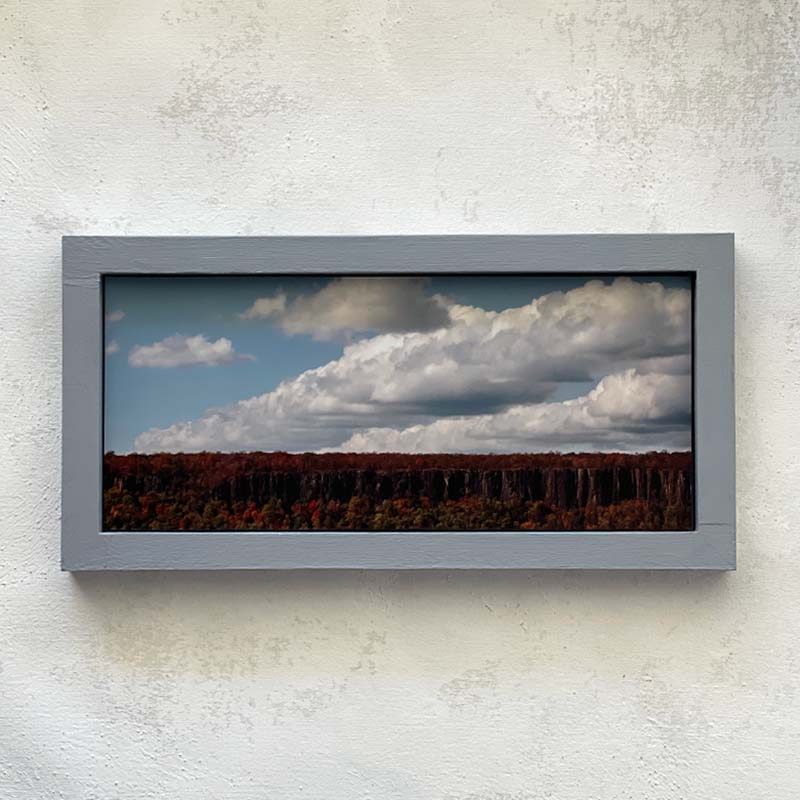
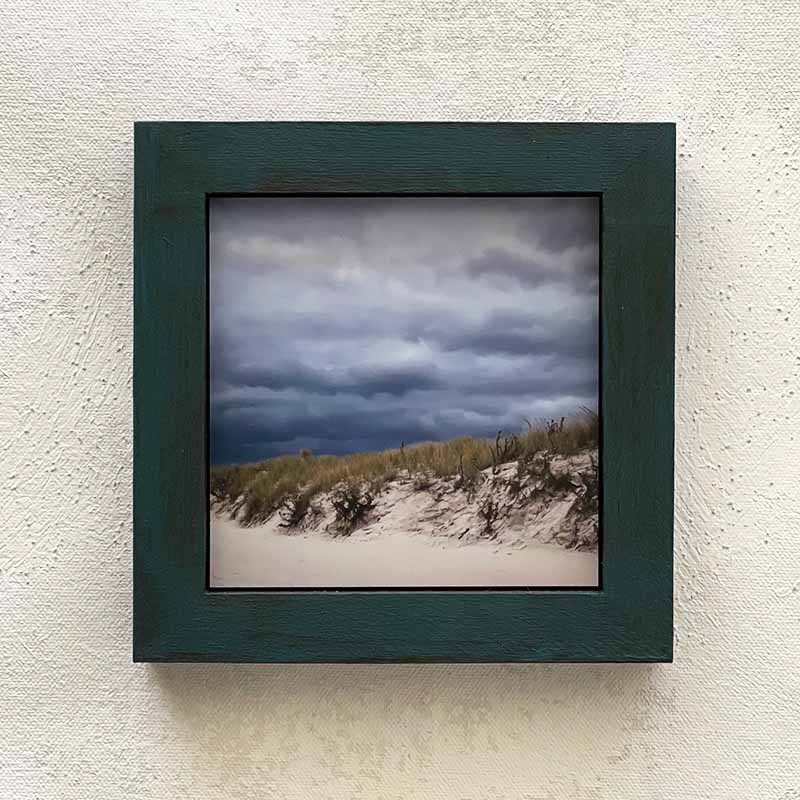
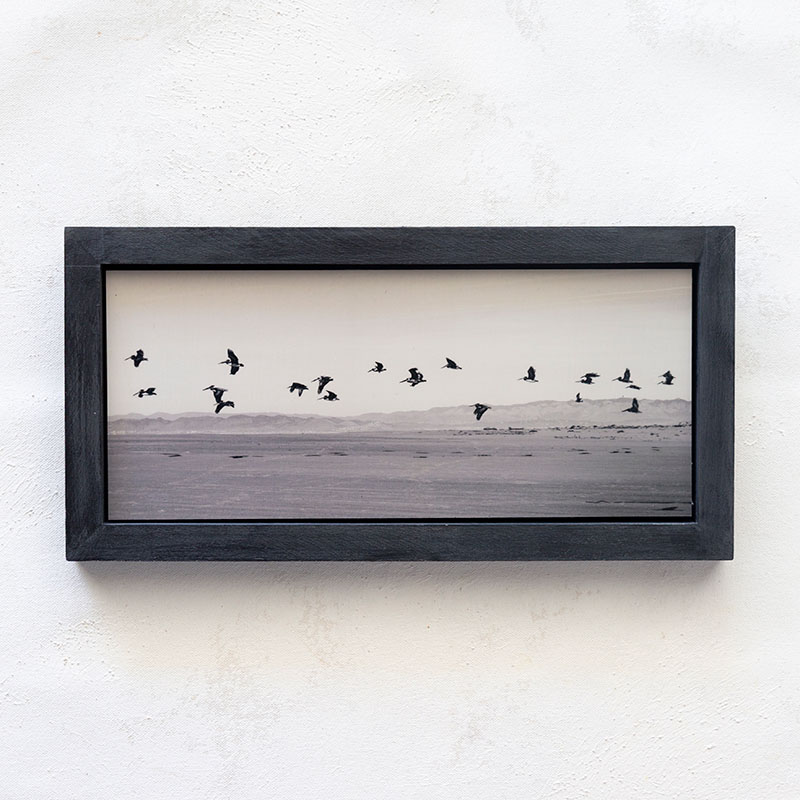
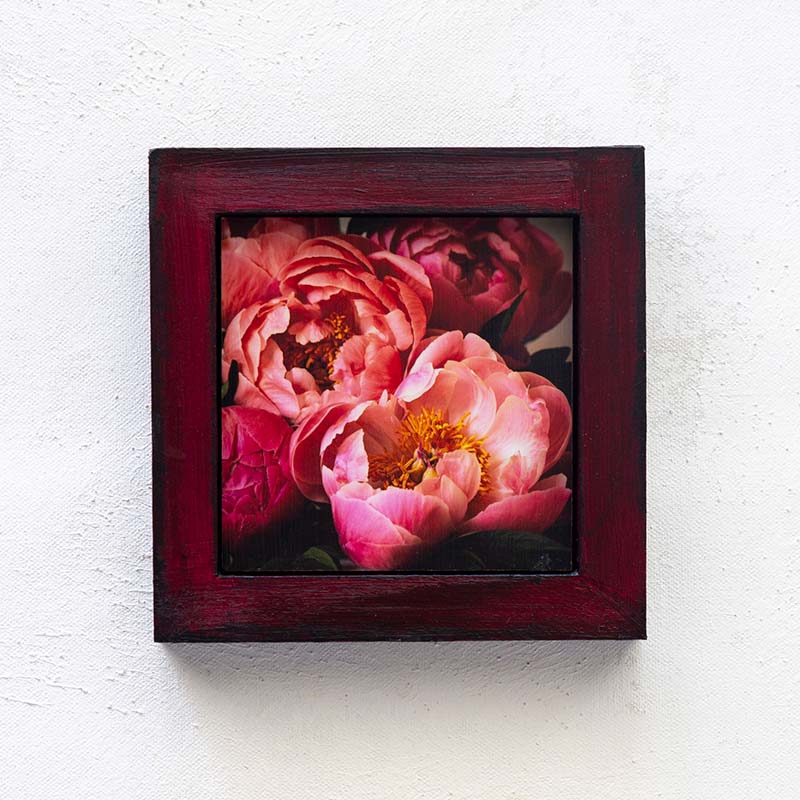
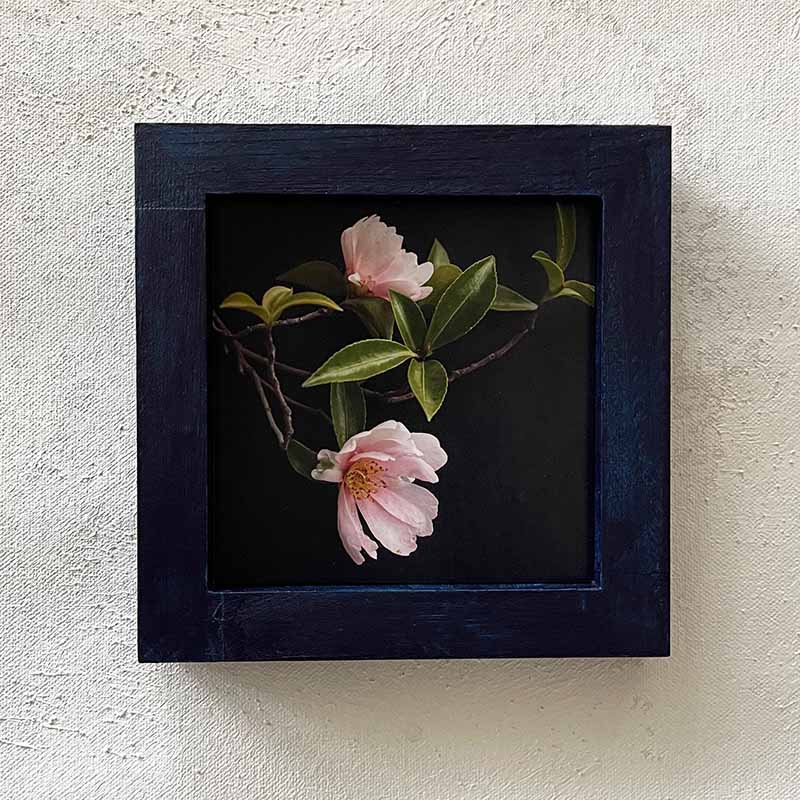
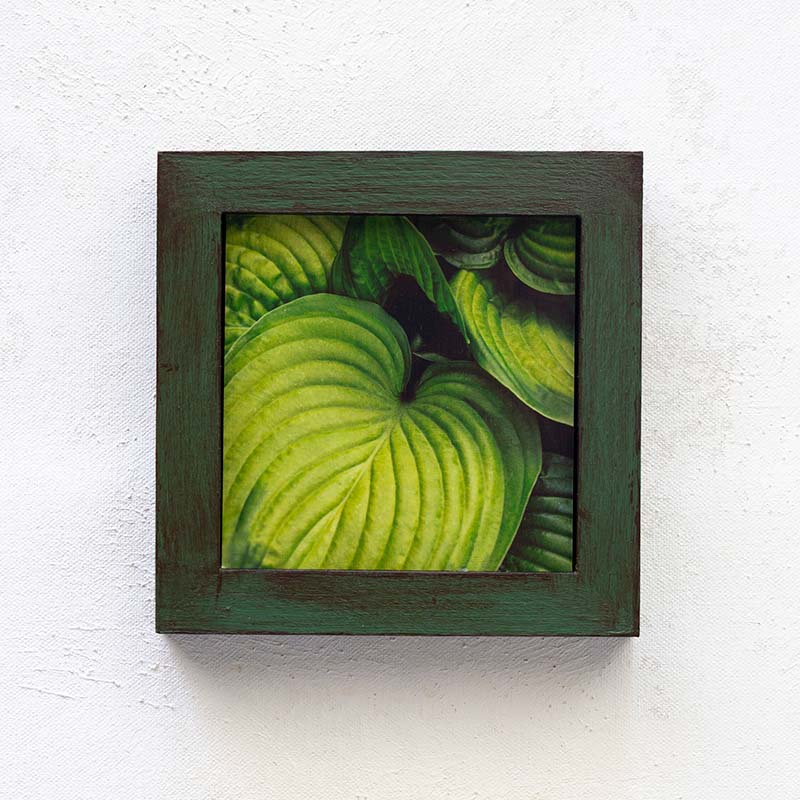
Each miniature goes through several steps, starting with the creation of the original photograph. Once I had a printed reference in hand, I began crafting the matching frame.
Every frame was carefully sanded and given a base coat. Then the fun part started – layer after layer of paint was added to create depth, texture, and to complement the image. The photograph itself was hand-brushed with a textured finish before being placed into the frame. Finally, a paper backing, hanger, and a signed certificate of authenticity were attached to the back of each piece.
From the very first step of creating the image to the finished artwork, each fine art miniature is a “perfectly imperfect” reflection of me – something I know AI can never replicate. Even when the paint isn’t perfectly even (which does make me twitch a little), it’s all part of the process. What can I say? I’m a work in progress.
I hope you love them as much as I loved creating them for you.